Proper sleep on an orthopedic pillow
The purpose of an orthopedic pillow is to maintain an optimal position for the neck and head during sleep. In this position, the head and neck should be aligned with the body. Naturally, along with the shape of the pillow, the person's usual sleeping position is a determining factor.
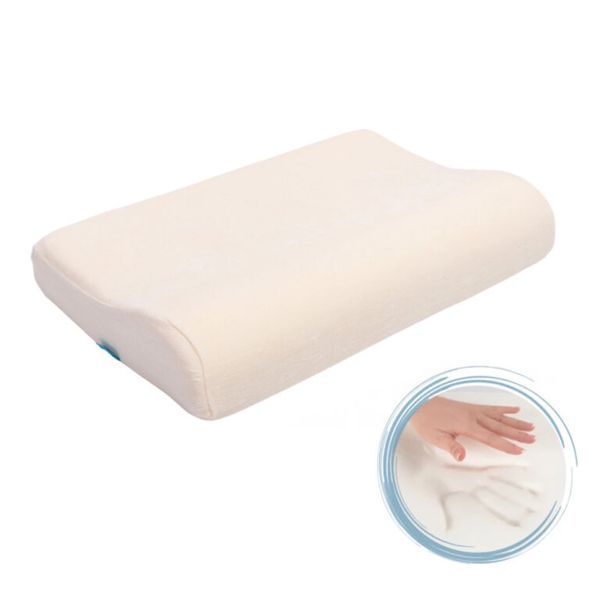
The most popular are anatomical pillows shaped like an ergonomic wave. They feature two half-bolsters of different heights, located along the long side of the pillow. The space between them creates a slight depression. Your preferred sleeping position determines which bolster you choose.
For those who prefer to sleep on their back, the pillow should be positioned so that the small bolster is under the neck. Conversely, an orthopedic pillow for side sleepers should be positioned with the large bolster under the neck. Following these recommendations will help you maintain the natural alignment of your spine and head position in any sleeping position. Blood vessels and nerves will be uncompressed, and muscle tone will be optimal. You can see which side to sleep on an orthopedic pillow in the photos below.

In addition to proper posture, it's important to follow a number of other recommendations. For example, avoid placing your arms under an orthopedic pillow while sleeping. It's also not allowed to place it diagonally. Sleep only on the convex side—don't turn the pillow over. Using the pillow in such positions can be harmful to your health. Using an orthopedic pillow may feel unusual at first. However, people usually get used to it very quickly, and the benefits of a quality product far outweigh any temporary discomfort.
Many models have a notch in the center of the edge on the large bolster side. This often leads to questions about how to sleep on an orthopedic pillow with a notch. These models are designed specifically for side sleepers. The notch provides comfortable shoulder support.
How to place an orthopedic pillow
To maximize the benefits of an orthopedic pillow, it must be positioned correctly on the bed. Only the head and neck, not the shoulders, should rest on the pillow. Therefore, the pillow should be placed at the head of the bed. Determine the correct position of the bolsters based on your preferred sleeping position.
Avoid placing an orthopedic pillow vertically, as is common with regular pillows, for example, while reading or watching TV while lying down. This position can severely compress the blood vessels in the neck, leading to headaches.
Care instructions
To ensure your anatomical pillow serves you well and lasts a long time, please follow these care recommendations:
- the product should be ventilated in fresh air every week;
- When making your bed, do not cover your pillow with a bedspread or blanket to avoid disrupting its ventilation;
- Washing must be carried out in accordance with the manufacturer's instructions;
- Storage is permitted only in special covers made of low-density fabric that does not interfere with ventilation (the use of plastic bags for storage is prohibited);
- Orthopedic pillows can be used and stored when the air humidity in the room is no more than 65%.
It's also important to replace your orthopedic pillow regularly. Quality models typically last about 10 years. However, experts recommend replacing them at least every 3-4 years. This is because the condition of your spine, body type, and preferred sleeping position can change over time, making your previously chosen model irrelevant.